

Soluble Ca2+ channel subunit rescues brain deficits in schizophrenia
Current schizophrenia medications treat symptoms such as hallucinations and delusions, but do little for cognitive symptoms like disorganized thinking or executive dysfunction. As a result, many patients are unable to work, rely on family for lifelong support, become homeless or, in some cases, experience suicidal thoughts and actions.
A new study in humans and mice has discovered a novel biomarker of schizophrenia that could also serve as a new drug candidate to treat the cognitive symptoms of the disorder. Schizophrenia affects .5% of the world’s population, including about two million people in the U.S.
“A lot of people with schizophrenia cannot integrate well into society because of these cognitive deficits,” said the corresponding author. “Our discovery could solve these challenges by establishing the basis of a revolutionary and completely novel treatment strategy through a tandem biomarker-peptide therapeutic approach.”
The study was published in the journal Neuron.
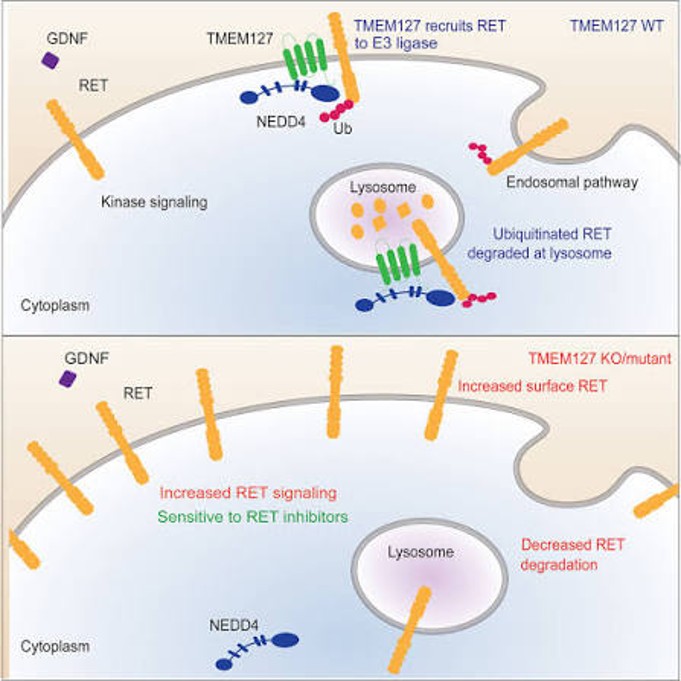
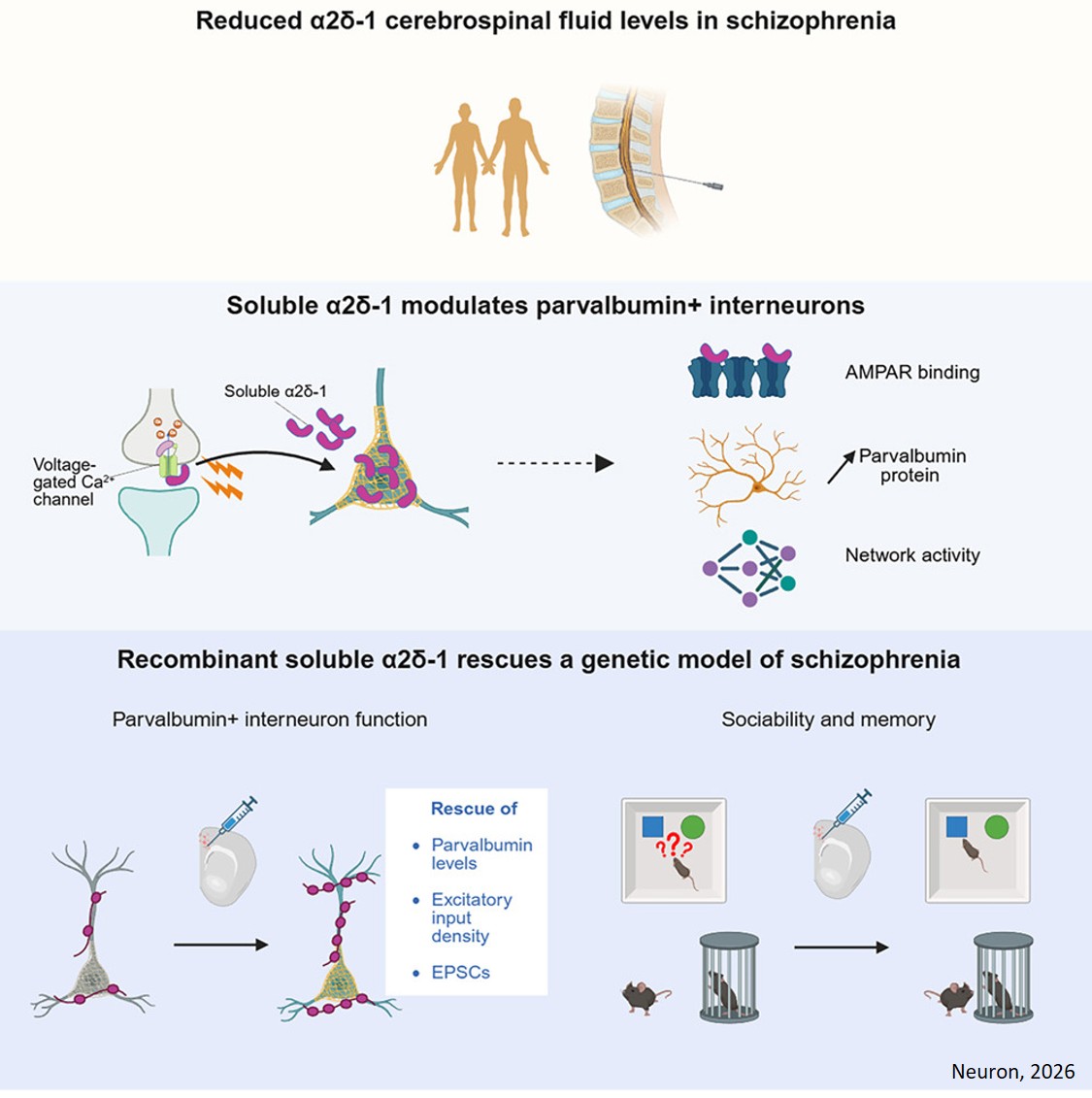
By examining the cerebral spinal fluid of more than 100 schizophrenia patients and healthy controls, the scientists identified a previously unknown, freely circulating form of a brain protein called Cacna2d1. In patients with schizophrenia, levels of this protein signal are reduced compared to controls, the study found, which results in overactive or overexcited brain circuits.
The team created a synthetic version of the protein (named SEAD1) and tested it in a mouse model of genetic schizophrenia. A single injection of SEAD1 into the animals’ brains corrected both the abnormal brain circuit activity — and the behavioral problems linked to the disorder. Importantly, the treatment did not cause observable negative side effects, such as sedation or reduced movement, the study authors said.
“Our treatment reopens a crucial window to rewire connections in adult brains,” said the first author. “The lack of brain plasticity is believed to be a key factor in the development of symptoms in schizophrenia. Reforming synapses could also be beneficial for other mental disorders, such as depression.”
The team does not yet know how long the therapeutic effects last, but they plan to study this aspect in future experiments. The research team is now optimizing this protein for future clinical trials in patients with 16p11.2 duplication syndrome, which is associated with a tenfold risk of developing schizophrenia, the author said.
While there are biomarkers to diagnose diseases — such as blood sugar for diabetes or cholesterol for heart disease — diagnosing psychiatric disorders is much more subjective, the author said.
Additionally, many potential drugs don’t perform well in clinical trials or later fail because of the diversity of people’s biology. By identifying a specific schizophrenia biomarker in this study, the scientists can now identify a subgroup of people who would most likely respond well to this SEAD1-based peptide drug.
The biomarker-therapeutic combination is revolutionary because it uses the biomarker to identify patients most likely to benefit from this treatment and uses the biomarker-related peptide drug to treat those same patients.
“The clinical trials would have much higher success rate, and the treatments would work much better because you would give the new drug to the exact people who actually could respond to that drug,” the author said. “The next step for us would be to develop a blood biomarker to identify a subset of schizophrenia patients who can respond to this treatment, and then we can give them this peptide — almost like Ozempic for schizophrenia, an injection that you can give once a week.”